
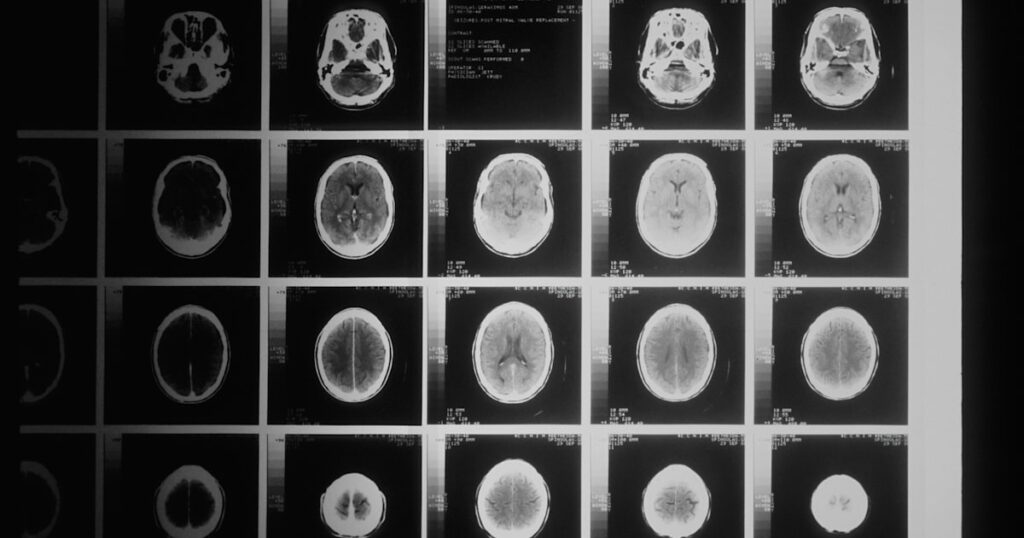
A head injury can change everything — not just for the person injured, but for their whole family. From a concussion that clears up in weeks to a traumatic brain injury needing lifelong care, the effects vary enormously. If your head injury was caused by someone else’s negligence, you may be entitled to significant compensation to help you recover and rebuild.
This guide explains how head injury compensation works in England & Wales: what you can claim for, how much these claims are worth, why rehabilitation matters, and an important point about time limits for serious brain injuries.
What Counts as a Head or Brain Injury?
Head injuries range widely in severity:
- Minor head injuries and concussion — short-lived symptoms with a full recovery;
- Moderate brain injuries — lasting effects on memory, concentration or mood;
- Severe or traumatic brain injuries (TBI) — life-changing physical, cognitive and behavioural effects, often requiring long-term care.
Even a “mild” brain injury can have a real impact on work and relationships, which is why these claims are assessed so carefully.
Common Causes of Head Injuries
Most of the head injury claims we handle arise from:
- road traffic accidents;
- falls — including slips, trips and falls from height;
- accidents at work, particularly on construction sites;
- assaults and criminal injuries; and
- sports and recreation.
Can You Claim Compensation for a Head Injury?
You can usually claim if your head injury was caused, wholly or partly, by someone else’s negligence — a careless driver, an unsafe workplace, or an occupier who failed to keep you safe. Where the injured person is a child, or lacks the mental capacity to claim themselves, a family member can bring the claim on their behalf as a “litigation friend”. The most serious head and brain injuries fall within our catastrophic injury claims work.
How Much Compensation for a Head Injury?
Head injury compensation has two parts: general damages for the injury itself, and special damages for your financial losses — and in serious cases the financial side (care, therapies, lost earnings, home adaptations) can far exceed the injury award. As a general guide, the injury element falls into these brackets:
| Severity | Guideline bracket (injury only) |
|---|---|
| Minor head injury — little or no lasting effect | Around £2,000 to £13,000 |
| Less severe brain injury — good recovery, some continuing problems | Around £18,000 to £65,000 |
| Moderate to moderately severe brain injury | Around £55,000 to £310,000 |
| Very severe brain injury — needing full-time care | Around £300,000 to £530,000 |
On top of the injury award, serious brain injury settlements are built around a lifetime of care and support, which is why they can reach seven figures. For a fuller breakdown across injury types, see our UK compensation payouts guide, or try our compensation calculator.
Rehabilitation and Interim Payments
For a serious head injury, getting the right rehabilitation early — physiotherapy, occupational therapy, neuro-rehabilitation and support — can make a real difference to recovery. Where the other side has admitted fault, interim payments can often be arranged before the claim settles, to fund care, treatment and adaptations when they’re needed most rather than years later.
Is There a Time Limit?
Usually you have three years from the date of the accident (or from when you realised the injury was linked to negligence) to start a claim. But there are important exceptions for head injuries:
- Loss of mental capacity: if the brain injury leaves someone without the capacity to manage their own affairs, the three-year limit does not run while that remains the case — so a claim can often still be brought.
- Children: the three years runs from their 18th birthday.
Even so, it’s best to seek advice early, while evidence is fresh and rehabilitation can begin.
How Din Solicitors Can Help
Head and brain injury claims are complex and high-value, and they need handling with real care. Our team gathers the medical and financial evidence, arranges early rehabilitation, secures interim payments, and builds a settlement around your long-term needs — all on a No Win No Fee basis. Support is also available from the brain injury association Headway. Learn more about our catastrophic injury claims work.
Frequently Asked Questions
How much compensation can you get for a head injury?
It depends on severity. The injury element ranges from a few thousand pounds for a minor head injury to over £300,000 for a very severe brain injury — and serious cases add substantial sums for lifetime care, lost earnings and adaptations, often reaching seven figures.
Can I claim for a family member who lost capacity?
Yes. Where someone lacks the mental capacity to claim, a family member can act as their “litigation friend”, and the usual three-year time limit does not run while they lack capacity.
Can I claim for concussion or a mild head injury?
Yes, if it was caused by someone else’s negligence. Even minor head injuries can be claimed for, and the amount reflects how long symptoms last and their impact.
How long do I have to make a claim?
Generally three years, but with no time limit running while an injured person lacks mental capacity, and from the 18th birthday for children.
Is a head injury claim No Win No Fee?
Yes — Din Solicitors handles head injury claims on a No Win, No Fee basis, so there’s nothing to pay upfront and nothing to pay if your claim is unsuccessful.
Speak to a Head Injury Solicitor
If you or a loved one has suffered a head or brain injury that wasn’t your fault, the right legal support can make a real difference. Din Solicitors acts for injured people and their families across England & Wales on a No Win, No Fee basis. Learn about our catastrophic injury claims, start your claim today, or call 01422 647175 for free, confidential advice.
The figures in this guide are general guideline brackets only, drawn from the Judicial College Guidelines for England & Wales, not a quote or promise. Every claim is assessed individually on its own medical evidence and proven losses. Din Solicitors is authorised and regulated by the Solicitors Regulation Authority (SRA No. 8008984). Last reviewed: July 2026.