WHAT IS A NON-FREEZING COLD INJURY CLAIM?
Cold injuries are preventable — and often career-ending.
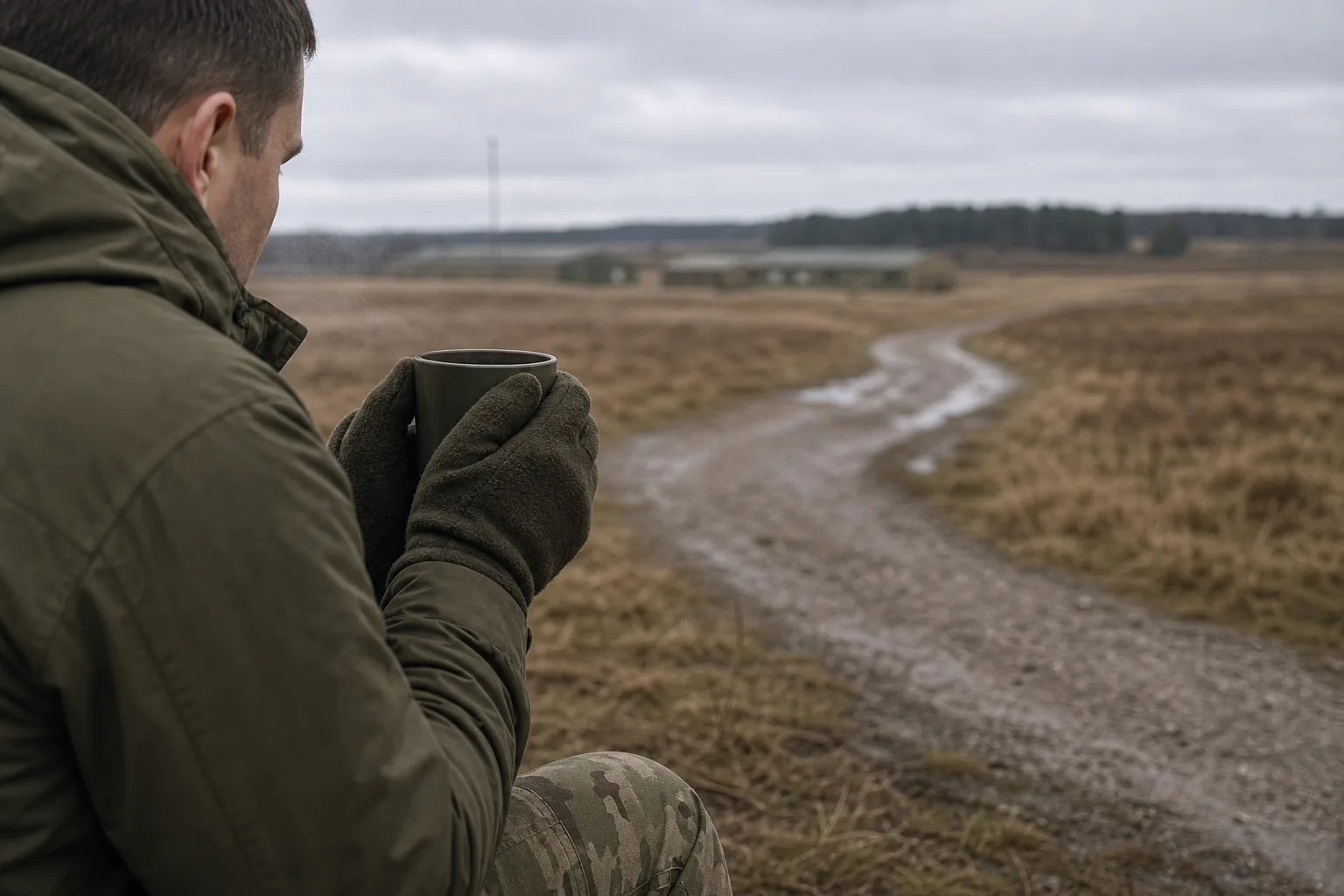
A non-freezing cold injury (NFCI) is damage to the nerves and blood vessels caused by prolonged exposure to cold, wet conditions — without the freezing associated with frostbite. It most often affects the hands and feet, and can leave you with permanent pain, numbness and an intense sensitivity to cold.
The Ministry of Defence is required to provide proper cold-weather clothing, training and monitoring, and to manage exposure on exercise and operations. Where it failed to do so and you developed an NFCI, you may be entitled to compensation — even if your injury has since led to a medical downgrade or discharge.
What we can claim for
Non-Freezing Cold Injury
Nerve and blood-vessel damage from prolonged cold, wet exposure.
Numbness & Tingling
Persistent pins-and-needles, numbness or burning in hands and feet.
Cold Sensitivity
Painful, lasting hypersensitivity to cold — even in mild weather.
Pain on Walking
Ongoing foot pain that limits standing, marching and daily activity.
Medical Downgrade
Being medically downgraded or discharged because of your injury.
Loss of Earnings
Compensation where the injury ended or limited your military career.
You may have a claim if…
You served in the Army, Royal Navy, RAF or Royal Marines (regular or reserve).
You were exposed to prolonged cold, wet or windy conditions on exercise or operations.
You were not given adequate cold-weather kit, training or monitoring.
You have since developed lasting symptoms such as pain, numbness or cold sensitivity.
How your claim works
01
Free consultation
Tell us about your service and your symptoms. We assess your claim at no cost.
02
Medical & service records
We obtain your service records and arrange a specialist cold-injury assessment to evidence your condition.
03
We pursue the MOD
We build your case and bring the claim against the Ministry of Defence on your behalf.
04
You are compensated
Your claim is settled and you receive the compensation your service earned.
Non-freezing cold injury FAQs
What is a non-freezing cold injury (NFCI)?+
An NFCI is damage to the nerves and blood vessels caused by prolonged exposure to cold and wet, usually in the hands and feet. Unlike frostbite, the tissue does not freeze. Symptoms include numbness, tingling, pain, and a lasting sensitivity to cold that can affect you for the rest of your life.
Can I claim NFCI compensation from the MOD?+
Yes — where the Ministry of Defence failed to provide adequate cold-weather kit, training or monitoring, or exposed you to cold conditions unnecessarily, and you developed a non-freezing cold injury as a result, you may be able to bring a compensation claim. This applies to serving personnel and veterans.
Are some people more at risk of NFCI?+
Yes. Personnel of African, Caribbean and some other backgrounds can be more susceptible to non-freezing cold injuries, and the MOD is expected to take this into account when managing cold-weather exposure. A failure to do so can strengthen a claim.
I have left the forces — is it too late?+
Not necessarily. The three-year time limit usually runs from when you first realised your symptoms were linked to a cold injury sustained in service (your "date of knowledge"), not the date of exposure — so many veterans can still claim. It is always worth asking us.
Will claiming affect my AFCS award or pension?+
A civil claim is separate from the Armed Forces Compensation Scheme and War Pension, and can usually be made in addition to them. We will explain how they interact so any existing award is properly accounted for.
Is an NFCI claim No Win No Fee?+
Yes — we handle non-freezing cold injury claims on a No Win, No Fee basis, so there is nothing to pay upfront and nothing to pay if your claim is not successful.
FREE CLAIM CHECK
See if you can claim in 60 seconds